
Your tree could be a hazard to its environment. Here we discuss critical elements affecting local trees in Cincinnati and how to detect issues early.
In our extensive service across Cincinnati and Northern Kentucky, we’ve pinpointed three critical signs indicating a tree might pose a risk:
- Visible decay and damage,
- Structural weakness indicators, and
- Environmental condition changes.
Early detection of these signs is pivotal in averting disasters.
Visible Signs of Decay
While not all hazardous tree signs are readily visible, the following are typically easy to spot. If you observe any signs of decay or any other issues contact the Tree Hugger for help. Timely action can prevent property damage and ensure your home and neighborhood’s safety.
Fungal Growth
Fungi like mushrooms or conks sprouting at a tree’s base or trunk are often clear indicators of internal decay. Such growths imply the tree is rotting internally, compromising its structural integrity.
Different fungal types may signify various issues. For instance, bracket fungi usually grow on dead wood, suggesting sections of the tree might be dying.
Check The Bark And Trunk For Signs Of Trouble
Trunk Cavities
Cavities or hollow spots within a tree’s trunk should raise significant concerns, signaling weak areas resulting from prolonged decay.
The cavity’s size and position can impact the risk level. Large cavities or those at critical points, such as where branches meet the trunk, pose particular hazards.
Bark Anomalies
Healthy bark is vital for a tree’s well-being, serving as a protective layer. Changes in bark condition can indicate underlying problems.
Watch for signs like missing bark pieces, easily crumbled bark, or loose areas. These symptoms may signal underlying decay or disease.
Root Issues
Visible root damage or decay can compromise a tree’s stability. Noticeable upheaval or soil changes around the tree base could hint at tree root problems.
Pest Infestation Signs
Insects and pests can weaken trees, increasing susceptibility to diseases and structural damage. Some pests, like the Emerald Ash Borer, necessitate swift intervention as they can cause rapid tree decline and death.
Keep an eye out for small bark holes accompanied by sawdust-like frass, indicating boring insects like beetles.
Dead or Hanging Branches
Branches lacking leaves, showing signs of decay, or with brittle bark can unexpectedly fall, posing risks to property and safety. Regularly inspect for leafless branches or those differing in color or texture from healthy ones.
Look For Leaf Discoloring And Early Loss Of Leaves
Leaves changing color out of season, premature dropping, or appearing stunted may indicate disease or environmental stress. Uneven leaf loss or discoloration, especially in specific tree parts, could signify localized issues.
Sudden Appearance Changes
Rapid leaf loss, sudden leaning, or increased branch fall might signal urgent problems requiring immediate attention to prevent hazards or irreversible damage.
Unusual Growth or Bulges
Trunk or branch swellings could indicate healing from injuries or fighting infections. While some growths like galls and burls may not harm, monitor them as they might weaken tree structural integrity.
Structural Problems
A tree’s structural integrity is paramount for safety. Below are signs of structural weaknesses demanding attention. Consult tree care professionals like Ohio Tree Hugger if you notice any of these issues to assess and mitigate risks.
Can Damaged Trees Can Be Hazardous?
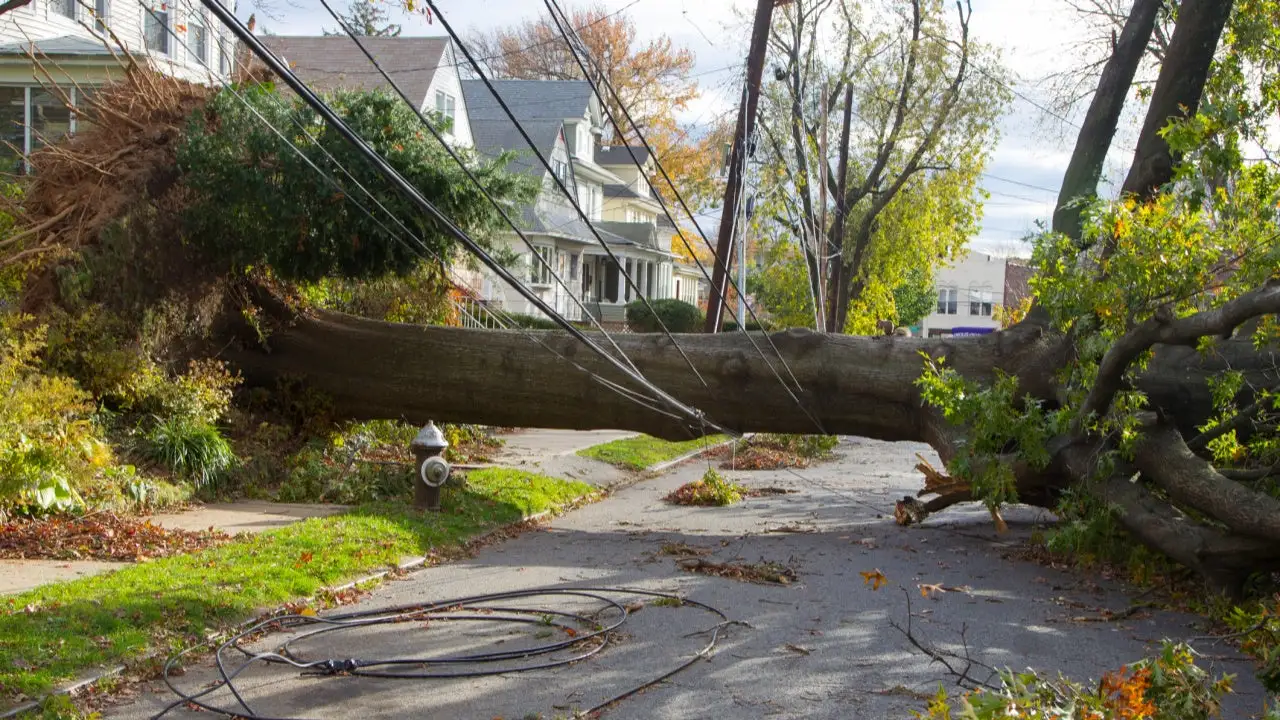
Yes! Trees that have been damaged can be extremely dangerous. Over time limbs can become weakened from extreme weather and other elements. Sometimes roots get rotten or weak and the tree ends up falling over. When trees are damaged they should be assessed for removal immediately. Also leaning trees can be hazardous, especially around 45 degrees.
Leaning Trees
While some trees naturally lean, sudden or recent leaning could signify problems, especially after storms or soil erosion. Examine the lean degree, particularly towards structures, walkways, or frequented areas, and check for exposed or lifting roots indicating a high risk of toppling.
Cracks and Splits
Vertical or horizontal trunk cracks can signal internal decay, while deep splits into the wood suggest structural failure leading to collapse. While some cracks may be superficial, others might hint at deeper trunk issues, compromising strength.
Weak Branch Unions
Branches forming sharp angles with the trunk are often weaker. Look for cracks or splits at branch-trunk unions, potential breakpoints. Embedded bark in the union may weaken attachment, increasing branch failure chances.
Overextended Branches
Branches growing too long and heavy on one side can create imbalance, raising susceptibility to breakage, especially in strong winds or snow. Proper pruning can redistribute weight and lower overextension risks.
Previous Damage
Trees with past damage, from storms or improper pruning, may have hidden compromised structures. Dead or dying branches can unexpectedly fall, posing dangers, particularly in storm-prone areas. Regularly check damaged trees for worsening signs.
Environmental Condition Changes
Environmental factors significantly affect tree health and stability. Recognizing their impact is vital for maintaining tree safety and health. Consult tree care specialists like Ohio Tree Hugger if you notice concerning changes.
Soil Disruption
Construction, landscaping changes, or heavy machinery can compact soil or damage roots, weakening tree stability. Watch for soil erosion or moisture level shifts, weakening root systems and tree health.
Waterlogging and Drainage Issues
Prolonged waterlogged soil can cause root rot, weakening tree foundations. Monitor soil moisture levels, especially during rainy seasons and snow melt. Ensure proper drainage to prevent waterlogging and protect roots.
Root Exposure and Damage
Exposed roots, due to erosion or damage, signify tree vulnerability, particularly if roots appear damaged or decayed. Protect the root zone from activities like digging or heavy traffic.
Extreme Weather Events
High winds, lightning, heavy snow, or ice can stress and damage trees significantly. Inspect trees after such events for damage or weakness signs.
Changes in Surrounding Vegetation
Overcrowding or vegetation changes nearby can affect tree access to sunlight, water, and nutrients, impacting health and stability. Plan landscaping projects carefully and watch for invasive species competing with or introducing pests and diseases to trees.
Don’t Let Hazardous Trees Threaten Your Home
Whether concerned about a tree hazard or seeking regular maintenance advice, Lefke Tree Experts offers assistance. With expertise in local tree species and conditions and a commitment to top-notch tree care, we ensure your trees remain a safe and vibrant part of the community.
Key Points: bbbbbbbbbbbbbbbbbbbbbbbbbbbbbbbbbbbbbbbbbbbbbbbbbbbbbbbbbbbbbbbbbbbbbbbbbbbbbb